Wondering which of the types of crypto wallets suits you? They differ in who holds your keys and whether they go online, so match the type to your balance and habits.
| Item | Value |
|---|---|
| Typical hardware wallet price | $50 to $200 |
| Cost of most other wallet types | Most are free |
| Hot wallet connection | Always, or almost always, online |
| Cold wallet connection | Almost always offline |
| Common multisig setup | 2-of-3 wallet |
| Custodial failure example | FTX collapse in 2022 |
These figures come from Gemini Cryptopedia and Changelly. They can change, so check the source before you rely on them.
How crypto wallets work: keys, signing and backups
A crypto wallet does not literally hold coins, which live on the blockchain. BitPay calls the name a misnomer, and Ledger Academy explains that a wallet secures the private keys that grant access to your cryptocurrencies. If you are brand new, start with our explainer on what is a crypto wallet and then come back to compare the options.
Keys come as a pair. A public key works like a bank account number that you can share with anyone who wants to send you crypto, while anyone with your private key has complete control over your holdings, according to BitPay. OKX Learn adds that a transaction is approved by signing with the private key, which the blockchain verifies using the public key.
For wallets you control yourself, keep a recovery phrase. Gemini Cryptopedia says it lets you regenerate your private keys on a new wallet if you misplace the original device, and that anyone with access to it may also access your funds. Our guide to crypto wallet security goes deeper on backups and everyday habits.

Custodial vs non-custodial wallets
The first split is about who holds your keys. A custodial wallet is controlled by a third party, and Ledger Academy says the wallets offered by centralized exchanges such as Coinbase, Binance and Kraken fall into this category. Gemini Cryptopedia adds that they are typically exchange or web-based wallets that you reach from your phone or desktop.
The appeal is convenience: OKX Learn lists easy recovery after a forgotten password, plus customer support, as upsides. The cost is trust, because Ledger Academy notes the provider has the power to seize your funds or lock you out of your account. When FTX collapsed in 2022, its users lost access to billions in crypto, according to Changelly.
A non-custodial wallet puts the keys in your hands with no intermediary involved, so only you can access and manage the funds, per Ledger Academy. The flip side is blunt: Changelly warns that if you lose your seed, your crypto is gone. Our custodial vs non-custodial wallet comparison walks through the trade-offs in more detail.
Before you pick a custody model, ask yourself:
- Who can freeze or move my funds?
- Can I get back in if I forget my password?
- Who is responsible if my backup goes missing?
Hot wallets and cold wallets
A hot wallet is always, or almost always, connected to the internet, which Gemini Cryptopedia says makes it the most convenient type. That same connection leaves it more open to attack, and BitPay advises against keeping large amounts of cryptocurrency in one.
A cold wallet is almost always disconnected from the internet, which Gemini Cryptopedia describes as making it extraordinarily hard to hack. The trade-off is effort: BitPay says cold options tend to require more technical know-how. Our hot wallet vs cold wallet guide shows how to split funds between the two.
OKX Learn groups the common forms like this:
- Hot: mobile, desktop, web and browser extension wallets.
- Cold: hardware wallets and paper wallets, which hold a printed seed phrase or private key.
- Either: multisig setups, which depend on how and where the keys are stored.
One wrinkle: a hardware wallet still counts as cold even while in use, because Gemini Cryptopedia explains that the signing happens on the device itself.
Software wallets: mobile, desktop, web and browser extension
Software wallets are apps you install on your phone, computer or browser, and Changelly says they hold your private keys locally. They are usually hot wallets. The same source names MetaMask, Trust Wallet and Phantom among the best-known examples, which are mentioned here as illustrations rather than rankings.
Mobile wallets
Mobile wallets let you spend or receive crypto anywhere you have your phone and an active internet connection, according to BitPay. Gemini Cryptopedia notes that some run on both Android and iOS, while others work with only one operating system. Our best mobile crypto wallets roundup ranks options on security, custody model and fees.
Desktop wallets
Desktop wallets use encryption to keep your keys on your computer’s hard drive, per BitPay. Changelly warns that your phone or computer could be compromised, and a compromised machine puts those keys at risk. On the upside, Gemini Cryptopedia says desktop wallets are more secure than web-hosted ones.
Web wallets
Web wallets run in your browser, so there is nothing to download and you can reach them from any phone or computer, according to Gemini Cryptopedia. The same source rates them the least secure type because of their continuous internet connection. Several are now non-custodial, which it calls widely considered an improvement.
Browser extension wallets
Browser extension wallets run inside your browser, and OKX Learn counts them among hot wallets, so the usual online threats apply. Changelly says software wallets let you interact with dApps and manage NFTs from your phone or laptop. Read our browser extension crypto wallet guide before you connect one to a dapp.
Hardware, paper and multisig wallets
Hardware wallets
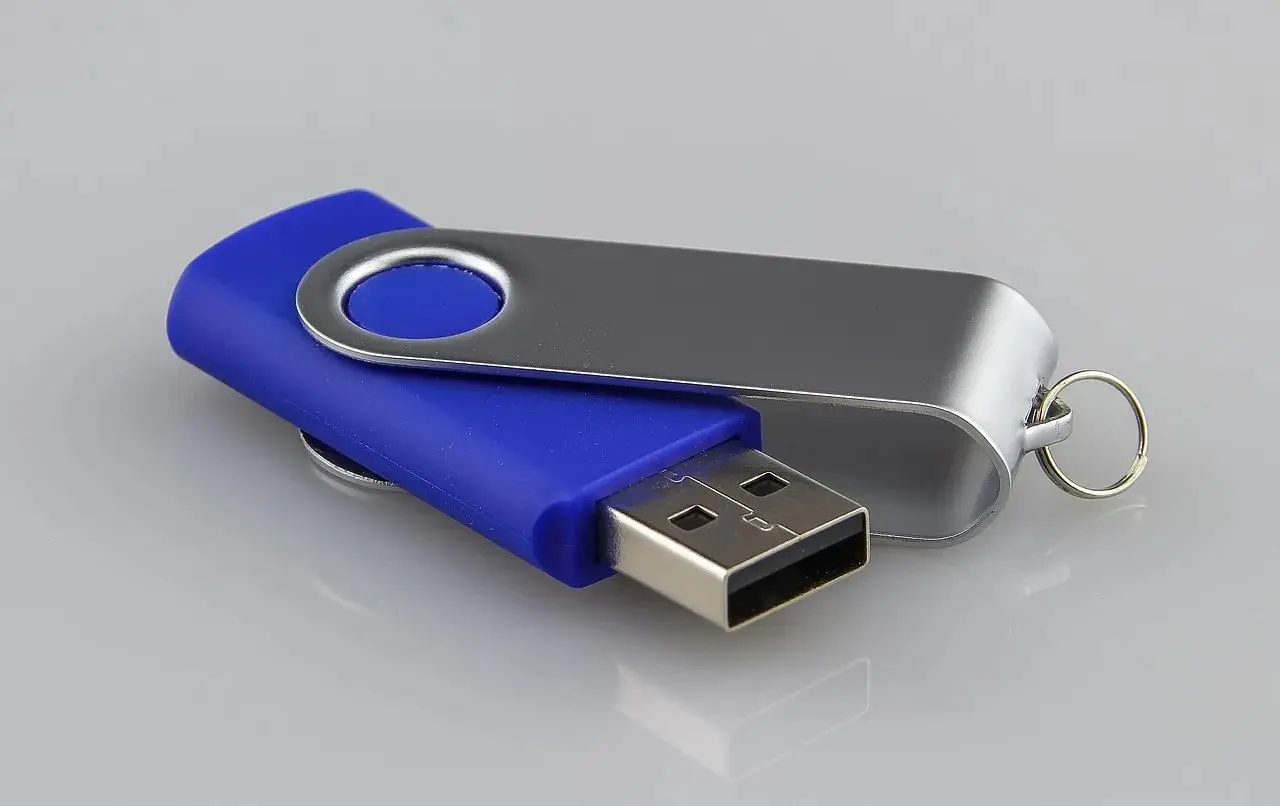
A hardware wallet is a small physical device that stores your private keys offline, per Changelly. Gemini Cryptopedia says these devices typically cost between $50 and $200, whereas most other wallets are free, and recommends them for those expecting to hold large amounts long term. Our best hardware wallets ranking compares models on security, custody model and fees.
Buy carefully. Changelly warns that counterfeit hardware wallets are a real threat and advises ordering directly from the manufacturer or an official reseller. It also names Ledger and Trezor as the dominant makers in this category.
Paper wallets
A paper wallet is a piece of paper with your keys printed on it, sometimes with a QR code, according to Changelly. It is immune to online hacks but fragile, since it can burn, tear, fade or get lost. Gemini Cryptopedia adds that paper wallets are cold but no longer widely recommended.
There is a physical risk too: if someone finds your paper wallet, they can take your crypto, per Changelly. Our paper wallet crypto guide explains why this format has fallen out of favour.
Multisig wallets
A multisig wallet needs two or more private keys to approve a transaction, per Changelly. In a 2-of-3 wallet, any two of the three keys must sign before the crypto can move, so no single person can act alone. Our multisig wallet guide covers when that extra safety is worth the effort.
The same source calls multisig more secure but also more complex, and not really beginner-friendly. It describes the setup as a good fit for teams, DAOs and families managing shared digital assets.
Which type of crypto wallet fits you?
There is no perfect wallet, according to Gemini Cryptopedia: some types lean toward security, others toward ease of use or mobility. Many users therefore combine them, with an exchange wallet to buy, trade and sell, a mobile wallet for a smaller amount, and a hardware wallet for the majority of funds.
Work through these steps:
- Decide on custody: let a provider hold the keys for convenience, or hold them yourself for control and responsibility.
- Size the balance: keep spending money in a hot wallet and larger, rarely moved amounts in cold storage.
- Match the form to the job: mobile for spending, hardware for saving, multisig for shared funds.
- Back up your recovery phrase offline and store it somewhere safe.
- Review your setup whenever your holdings or habits change.
On top of the backup, passwords matter: Gemini Cryptopedia recommends them for the wallets themselves and for the devices they are stored on.
Holding mainly one coin? Start with our best bitcoin wallets ranking or our best ethereum wallets ranking, whichever matches your asset. Rankings on this site weigh security, custody model and fees, never commissions, and nothing here is investment advice.
Frequently asked questions
Which type of crypto wallet is the most secure?
Show answer
Gemini Cryptopedia calls hardware wallets the most secure option, and also the least convenient. Many people therefore treat them as a vault for savings rather than a tool for daily payments.
Is my exchange account a crypto wallet?
Show answer
Partly. OKX Learn explains that an exchange account provides wallet functions but usually leaves a custodian holding your keys, so it is not self-custody.
Should I use more than one wallet?
Show answer
Often, yes. BitPay calls it advantageous to use different wallets for different purposes, such as a hardware wallet for saving and a mobile wallet for regular spending.
What happens if I lose my recovery phrase?
Show answer
With a self-custody wallet, Ledger Academy warns you could lose access to your assets forever. A custodial account is different: Gemini Cryptopedia says resetting a forgotten exchange password is usually straightforward.